Sea Fishing Rods for Offshore Trips
The Complete Guide to Selecting the Perfect Fishing Rods for All Anglers
Choosing the right fishing rod is vital for any angler's success. Different types of rods cater to different fishing styles and conditions. Understanding the fundamental features, such as material, action, and power ratings, can greatly impact performance. Yet, many anglers overlook these details. As they embark on their fishing journeys, the quest for the perfect rod can turn out to be more complex than anticipated. What factors should they really prioritize?
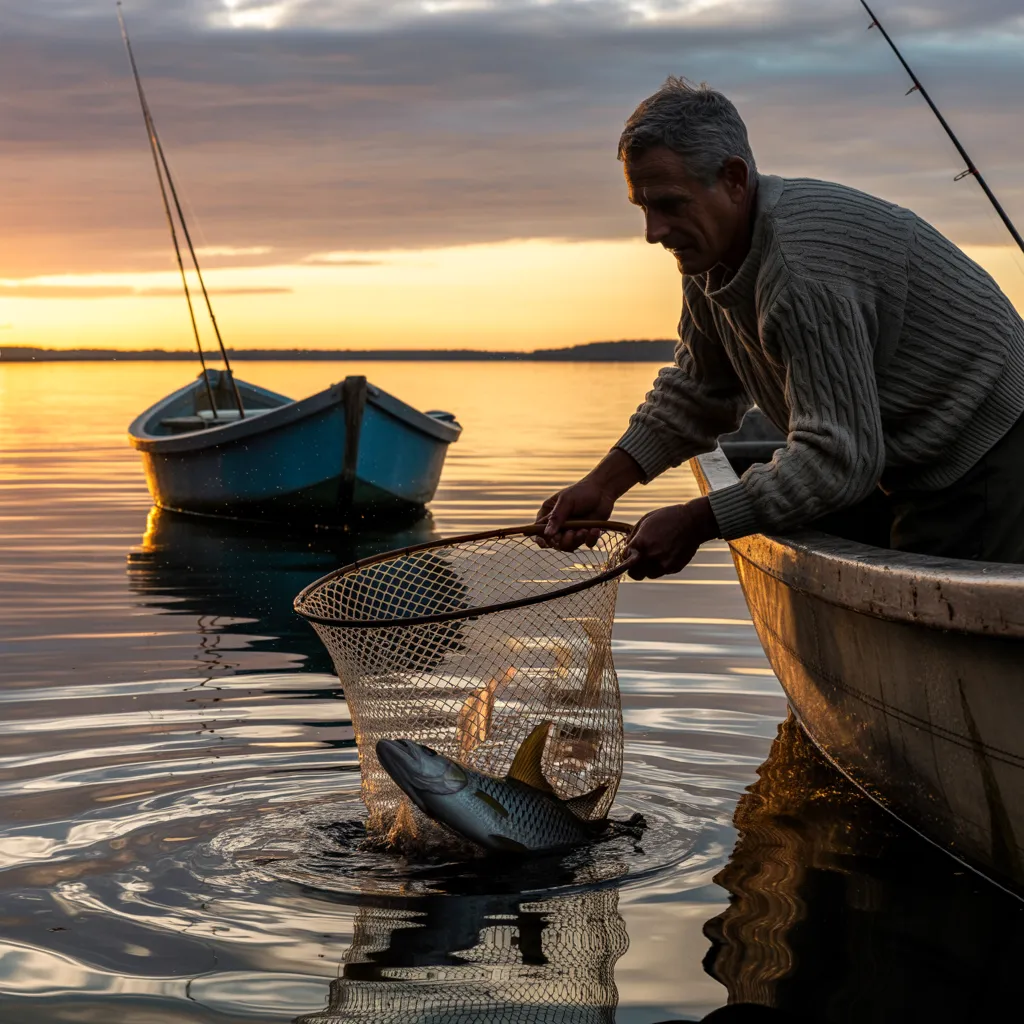
Grasping Fishing Pole Fundamentals
Although fishing rods might seem basic at first glance, knowing their primary components is essential for any fishing enthusiast. A fishing rod is primarily composed of the blank, guides, reel seat, and handle. The blank, generally constructed from materials including graphite or fiberglass, offers the structure and sensitivity essential for successful casting. Guides, tiny rings fixed along the rod's length, assist with line management and help guide the line's trajectory throughout casting and retrieval.
The reel seat functions as the mounting location for the fishing reel, guaranteeing stability while in use. The handle, frequently fashioned from cork or EVA foam, supplies comfort and grip, facilitating superior control. These elements collaborate to impact the rod's performance, influencing casting distance, sensitivity, and power. Understanding these components allows anglers to make knowledgeable decisions, improving their fishing experience and success on the water.
Types of Fishing Rods and Their Uses
In choosing a fishing rod, understanding the multiple types available is essential for improving fishing success. There are numerous primary categories of fishing rods, each built for specific techniques and environments. Spinning rods are multifunctional and user-friendly, excellent for beginners and suitable for light to medium tackle. Baitcasting rods offer greater control and accuracy, making them preferred for experienced anglers targeting larger species.
Fly rods are purposefully crafted for fly fishing, offering a lightweight design that enables delicate presentations. Surf rods, on the other hand, are long and sturdy, serving anglers fishing from the shore. For those interested in ice fishing, specialized ice rods are brief and delicate, designed to detect subtle bites through the ice. Ultimately, understanding these different types assures anglers select the right rod for their fishing technique and desired catch, elevating their overall experience on the water.
Key Features to Consider When Picking a Rod
Picking the right fishing rod entails careful consideration of several key features that can greatly impact performance. One crucial aspect is the material examine guide of the rod, which often includes graphite, fiberglass, or composite choices. Graphite is lightweight and responsive, while fiberglass offers durability and flexibility. Another important feature is the rod's action, which establishes how much the rod bends when pressure is applied. Fast action rods react quickly, whereas slow action rods provide more flexibility. Additionally, the handle type, commonly made from cork or foam, affects comfort and grip during use. Reel seat quality is likewise essential, as it provides secure attachment of the reel. Finally, guides and tip quality affect line movement and casting distance. By knowing these features, anglers can choose a rod that best meets their fishing style and preferences.
Selecting the Right Length and Power
Selecting the appropriate length and power for a fishing rod is crucial for attaining peak performance. Rod length affects casting distance and accuracy, while power ratings reveal the rod's strength and capacity to handle various species. Comprehending these aspects helps anglers make informed choices customized to their fishing needs.
Comprehending Rod Length
Rod length is crucial for determining the overall performance and effectiveness of a fishing rod. Rods on the longer side, typically ranging from 7 to 12 feet, offer greater casting distance and leverage, making them excellent for surf fishing or targeting species in larger bodies of water. On the other hand, shorter rods, typically between 5 to 6.5 feet, provide greater accuracy and control, which is beneficial for small streams or tight fishing spots. The choice of rod length should suit the angler's fishing style, technique, and target species. Knowing the environment and fishing conditions will also influence the appropriate length. Ultimately, picking the right rod length elevates the fishing experience and leads to more successful outings on the water.
Power Ratings Breakdown
Comprehending rod length is only one element of selecting the right fishing rod; power ratings are similarly vital in matching the rod to certain fishing conditions and techniques. Power ratings indicate the rod's strength and performance, establishing how much weight it can handle. Rods are typically categorized as ultralight, light, medium, medium-heavy, and heavy. An ultralight rod is appropriate for small fish and finesse techniques, while a heavy rod is engineered for larger species and heavy lures. Choosing the appropriate power rating confirms that anglers can effectively control their line and lure, improving their chances of success. Evaluating the targeted species and fishing environment will help anglers in making the best choice for their needs.
Coordinating Your Rod With Line and Reel
Often, fishermen discover that the success of their fishing trip relies on the compatibility of their rod, reel, and line. Picking the right combination guarantees peak performance and improves the overall fishing experience. The rod's power and action should match the reel's gear ratio and type, whether spinning or baitcasting. For instance, a lightweight rod paired with a high-speed reel is ideal for rapid retrieves, while a heavier rod may demand a sturdier, slower reel for heavier catches.
Choosing the right line is also crucial; the line strength should match the rod's specifications and the reel's capacity. Different line types like monofilament, fluorocarbon, and braided options provide unique benefits, affecting sensitivity and casting distance. Eventually, attaining a harmonious balance between these components enables anglers to maximize their effectiveness on the water, boosting both casting accuracy and fish fighting capabilities.
Preservation Strategies for Endurance and Maximum Output
Looking after a fishing rod is vital for guaranteeing its lifespan and ideal performance. Consistent cleaning practices, appropriate storage techniques, and periodic inspections for damage can substantially extend the durability of the equipment. By adopting these maintenance guidelines, anglers can improve their fishing experience and protect their investment.
Regular Cleaning Practices
Although fishing enthusiasts may focus on choosing the perfect rod, regular cleaning practices are essential for maintaining longevity and peak performance. After each fishing outing, it is essential to rinse the rod with fresh water to remove saltwater, dirt, and debris that can contribute to corrosion. A soft cloth can be used to dry the rod and guides, guaranteeing no moisture is left behind. For rods with cork handles, a mild soap solution can help preserve their condition. Examining the rod for any signs of damage or wear is also vital; this allows for prompt repairs. Regular cleaning not only improves the rod's appearance but also safeguards its functionality, making it a worthwhile practice for every fisherman.
Proper Storage Techniques
Correct storage practices serve a vital function in lengthening the longevity and functionality of fishing rods. Anglers should store rods in a temperature-controlled, moisture-free area to avoid moisture buildup, which can cause corrosion. Employing rod holders or racks assists in preserving their shape and avoids warping or bending. It is advisable to avoid placing heavy objects on top of the rods or leaning them against walls, as this can create unnecessary stress. Moreover, separating individual rods with protective sleeves can reduce friction and potential damage. For those using rod cases, verifying they are well-ventilated will further protect the rods from humidity. Ultimately, proper storage shields against wear and tear, making certain rods remain in prime condition for future fishing adventures.
Looking for Damage
Routine inspections are vital for ensuring the longevity and performance of fishing rods. Anglers should review their rods consistently for any signs of wear or damage. This includes examining the rod blank for fractures, splinters, or color changes, as these can compromise structural integrity. Additionally, guides and tip tops must be evaluated for loose fittings or cracks, which can obstruct line movement and contribute to breakage. Ferrules should also be evaluated to ensure a secure connection between rod sections. Lastly, the reel seat must be inspected to prevent slippage during use. Handling any identified issues promptly through repairs or replacements can considerably extend the life of a fishing rod and enhance the overall fishing experience.
FAQ
What Is the Best Fishing Rod Brand for Beginners?
For beginners, brands such as Ugly Stik and Shimano provide outstanding options. They deliver long-lasting, user-friendly rods with excellent flexibility and strength, making them perfect for novice anglers seeking consistent performance while understanding the basics of fishing.
How Much Money Should I Invest in My First Fishing Rod?
Specialists advise beginners invest between $50 to $100 toward their first fishing rod. This price range commonly presents a balance of quality and affordability, securing a positive experience without overextending the novice angler financially.
Is It Possible to Use a Spinning Rod for Baitcasting?
Baitcasting cannot be performed effectively with a spinning rod. Different rod types are created for distinct techniques, since spinning rods are optimized for lighter lines and lures, whereas baitcasting rods perform best with heavier tackle and precision casting.
Which Material Works Best for a Fishing Rod?
The ideal material for a fishing rod is typically graphite, celebrated for its responsiveness and lightweight characteristics. Fiberglass, while heavier, delivers resilience, making it well-suited for select fishing styles. In the end, the choice relies on personal preference and fishing conditions.
How Can I Tell if a Rod Is Too Heavy for Me?
To assess whether a rod is excessively heavy, an angler should assess comfort levels throughout casting and retrieval. If exhaustion or strain happens fast, the rod may be overly heavy for their strength and technique.